The shrimp is getting out of the bathtub
There is a video going around, tech companies treating developers in 2014, 2016, 2018 and so on. Each year the little shrimp gets more care: a tiny bathtub, a warm towel, incense, a silk blanket. The current version goes several steps further. All that care was just the preparation, and in the end the shrimp gets cooked. I don’t think developers will end up in the pan. But the bathtub is getting cold.
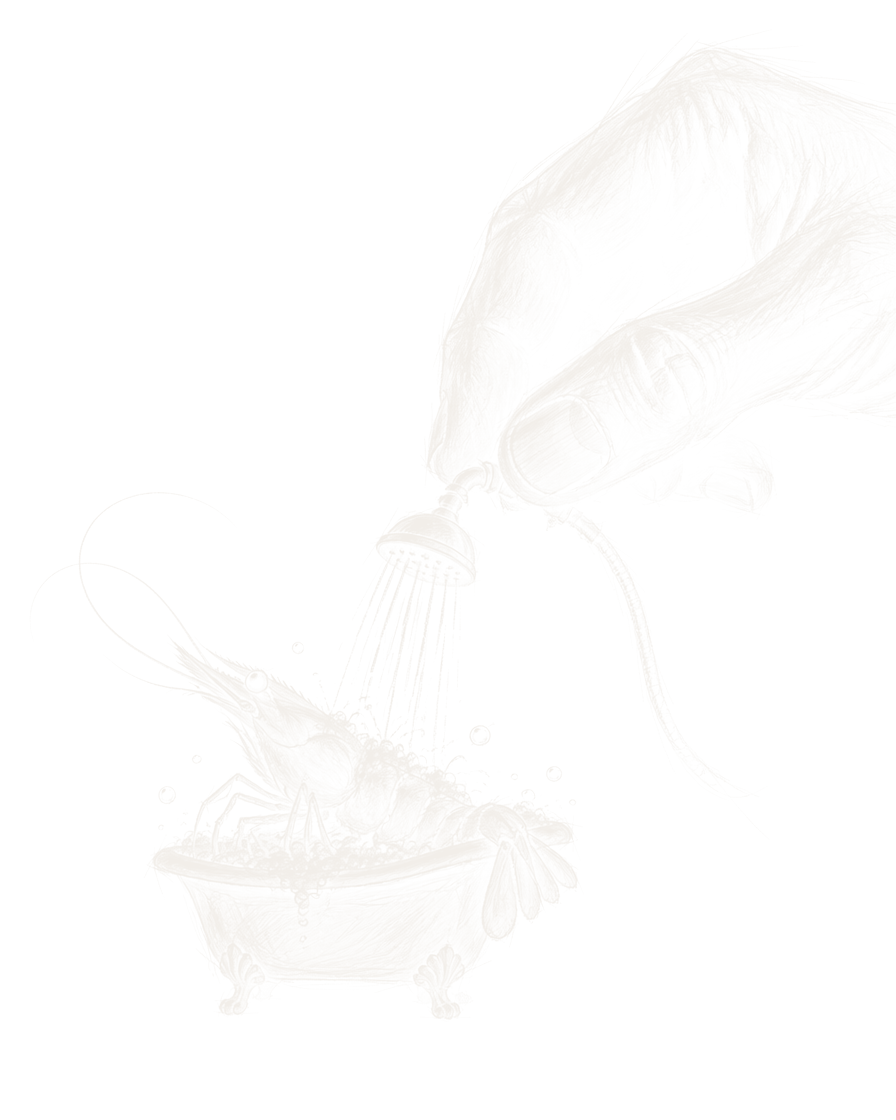
For as long as I’ve worked in companies, developers were the most protected people in the building. They got the best equipment, the quiet corners and the biggest salaries. Between them and everybody else stood a product manager, like a brick wall. If you had an idea, a small fix or a tool you needed for your daily work, you went through the wall. Or nothing happened.
I don’t blame anyone for this. Developer time was rare and expensive, so it made sense to guard it. But the small stuff never made it through. The tool that would save someone an hour every week. The media library that finally got useful functionalities. The little helper nobody would ever see outside the team. It was never important enough to make the sprint.
#What changed
Now the same people open Claude, pay 19 $ a month for Opus 5.5 and just build it themselves. A small dashboard that pulls together the numbers they check every morning. A tool that turns a messy export into the report they need on Fridays. A checklist app for their own team’s onboarding. None of it touches the real product. It just helps them do their job better and faster. And it’s often better scoped than the ticket would have been, because the AI asks questions they never thought about. What happens if the file is empty? Who else needs to see this? Should this need a login?
Every “no” from the dev team is now a reason to try it yourself.
And that’s the interesting part. The more often someone hears “not this sprint” or “please write a ticket”, the faster they learn they don’t need to ask anymore. And once they’ve built their first tool, they don’t go back. It feels too good. It’s empowering in a way that a ticket in a backlog never was.
But there is a catch, and it lands on the developers. Once you’ve built a tool in ten minutes, you start asking why everything else takes so long. Why is that one feature in the shop still not live after three months? Nobody outside the dev team sees the whole scope behind it: the edge cases, the security, the old code, the people who depend on it. They only see Claude doing something that looks similar in ten minutes. With every problem people solve on their own with a prompt, this eats away at the purpose and the special standing developers had inside the company.
#Not replaced, but less untouchable

Developers are not getting replaced. Someone still has to run the systems, keep things secure and fix the stuff that breaks at 3 am. What is changing is the role around them. Being the gatekeeper was maybe never something developers chose. Companies set it up that way, and developers simply benefited from it. And honestly, who wouldn’t enjoy that? When everyone can build a little, that setup stops making sense. The developer turns from the person you need a yes from into the person you ask for help.
Done right, this could even make the product better. If the small tools and side requests stop landing on the dev team, they finally have time for what really matters. But that doesn’t happen by itself. Developers, PMs and everyone else have to understand it and want it. Otherwise it’s just shadow IT with a nicer name.
Some people call this “the age of personal software”. I think it’s simpler than that. It’s the age where everyone can mimic a developer.
#Why this is easier for me
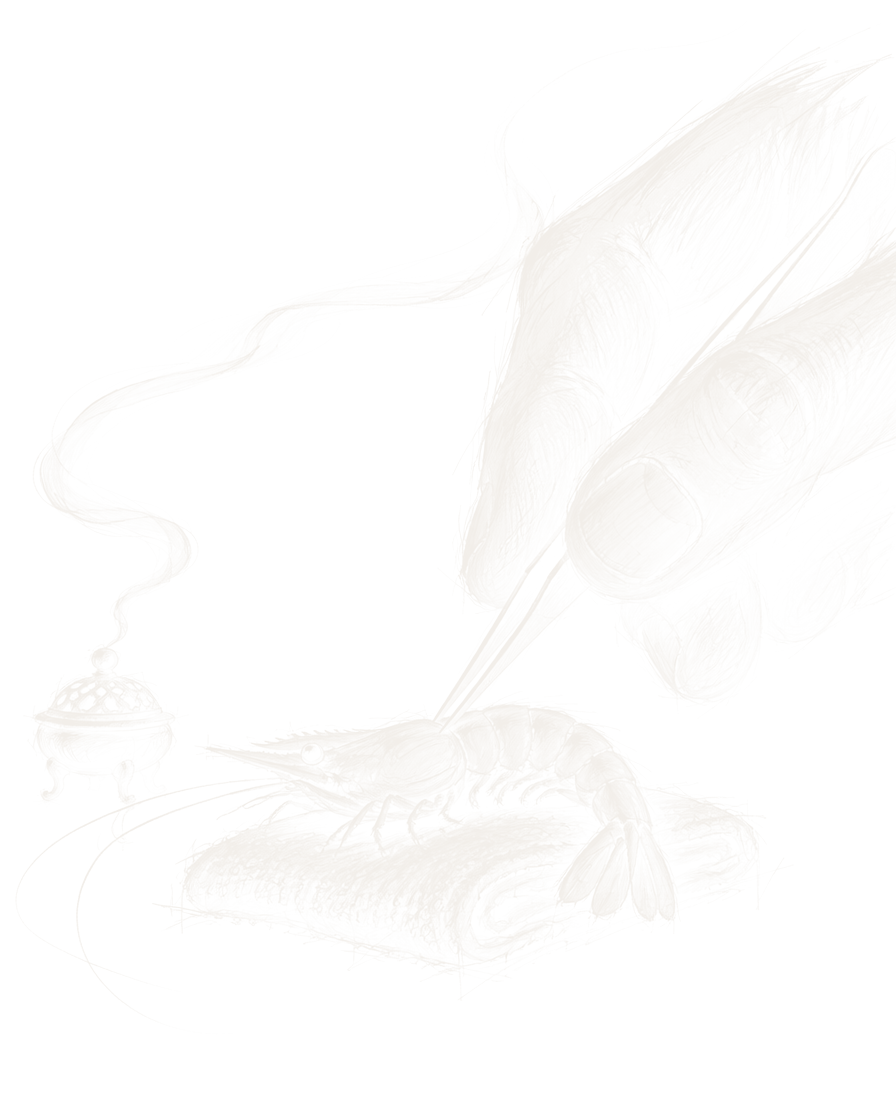
I totally get why many developers fight against this. I would too. It’s your craft, your standing and your salary. And it takes away something else: the joy of building something on your own. Hours of coding, and then it finally just works. That moment is precious, and you have every right to be proud of it.
But I decided against becoming a developer a long time ago. I stayed a designer who could code a bit. That cost me. Worse salaries, and a worse standing in every company I worked at. Most of the time I was one of the people in front of the wall. Sometimes I was behind it, guarded by a PM myself, and I didn’t like that at all.
I was never the shrimp in the bathtub. That makes it easy to get out of the way.
So for me this shift doesn’t feel like a loss …yet. It feels like the wall just got a door. This year alone I put two apps in the App Store. Something I always wanted to do, but never had the time or a good enough reason to actually go through with. Schulkompass started as a school app for exactly one student, my daughter. Gardenticker tells you what your garden needs every month. I moved twenty-two years of this website from WordPress to Kirby in one evening. And at work I built a lab where designs become working prototypes before they ever reach a developer. None of it needed a ticket.
But maybe in the end we are only getting out of the bathtub to be cooked and eaten …? ✌️🍤
P.S. None of this is about the people I work with today. The developers at Coffee Circle are some of the kindest and most helpful I’ve ever had around me, and I’m grateful for every “let me take a look” I get from them. This post comes from many years and many companies, not from my desk this week.